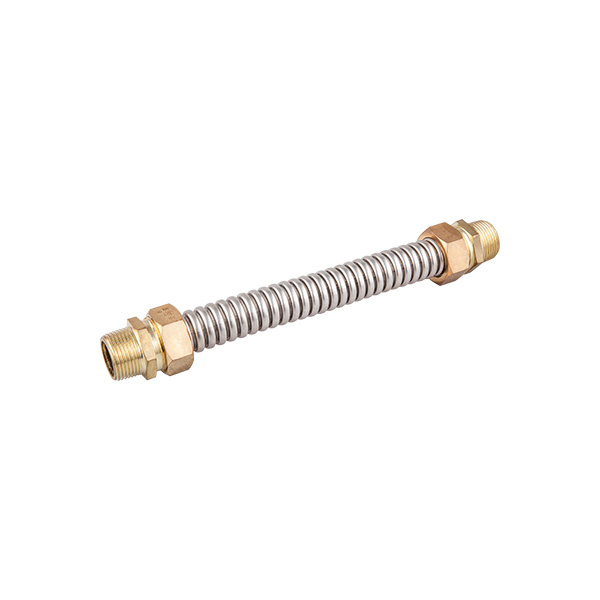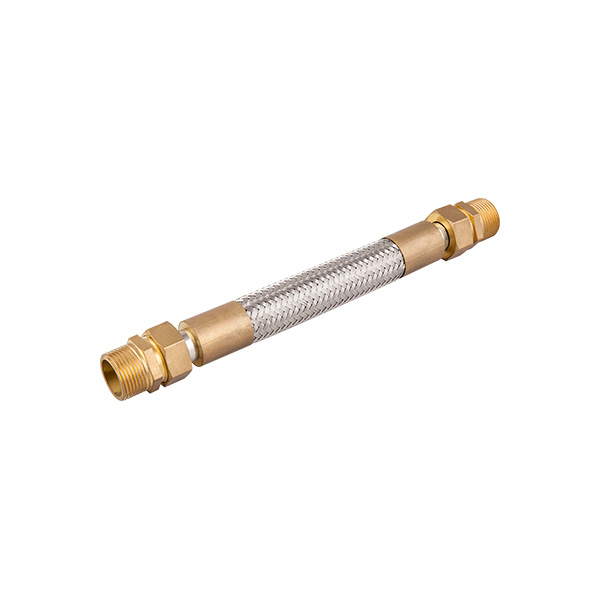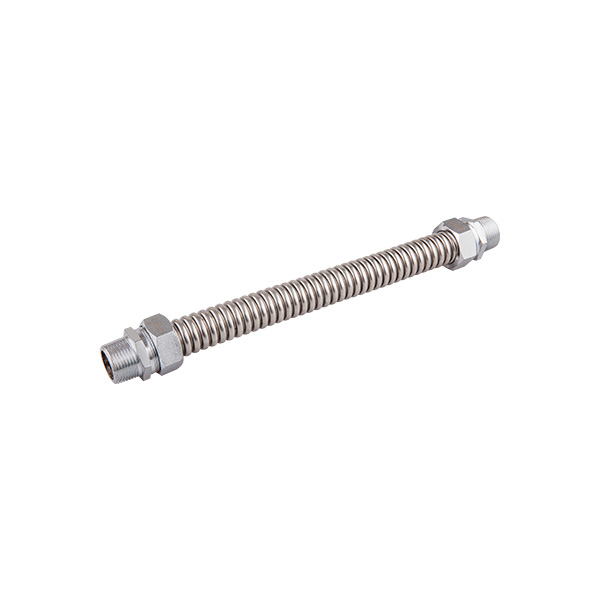
Air Conditioning Hose Series Wholesale

Air Conditioning Hose Series Manufacturers

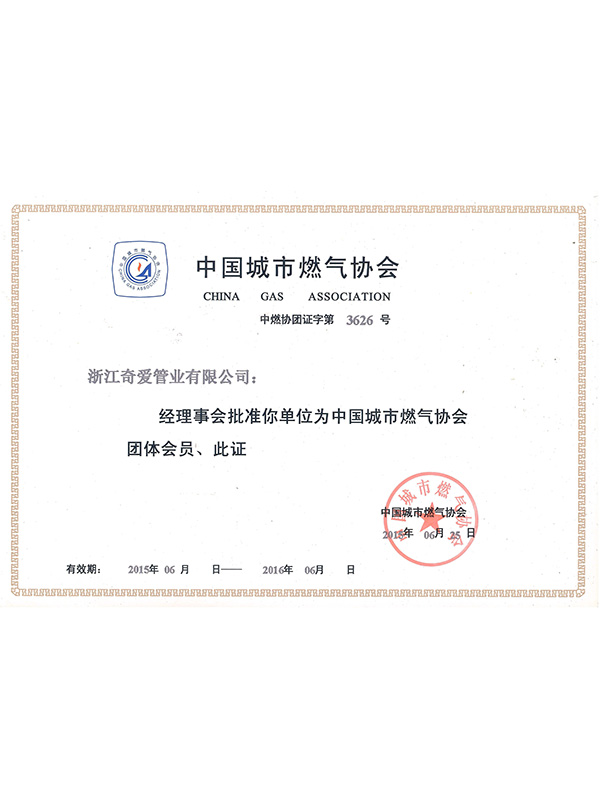
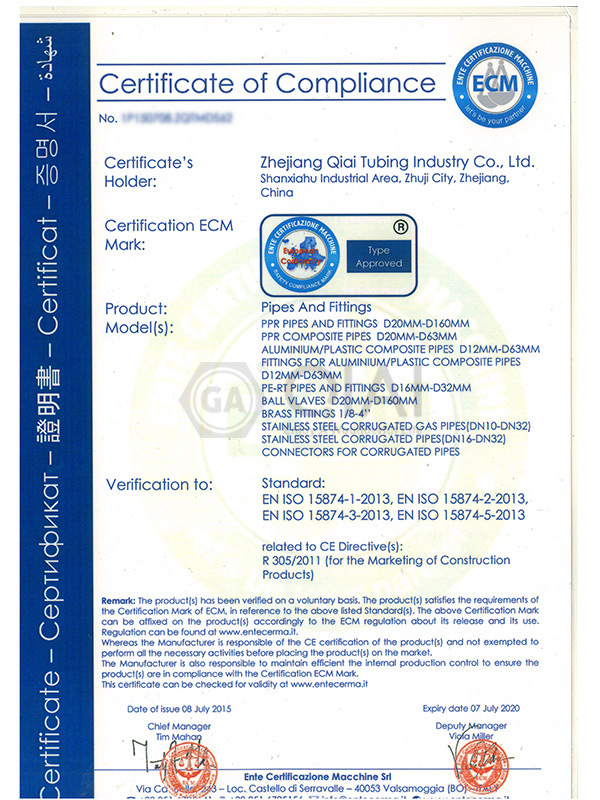
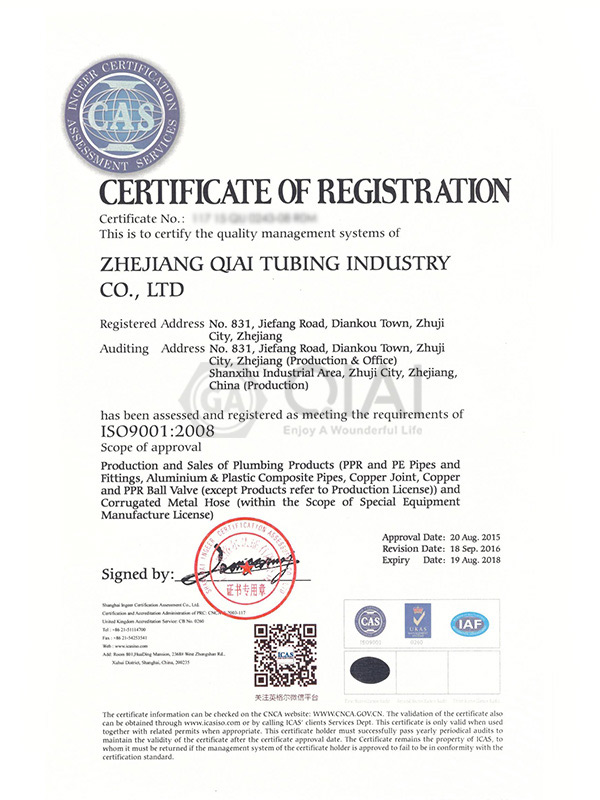
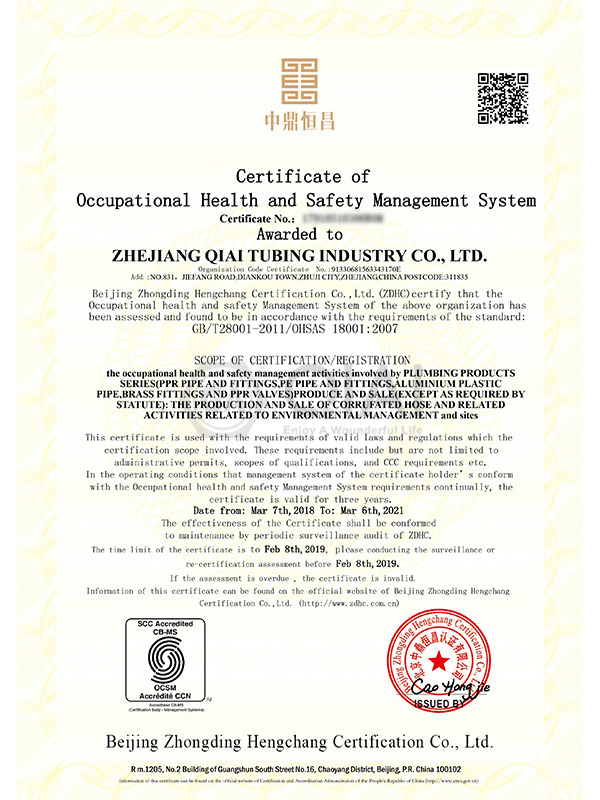
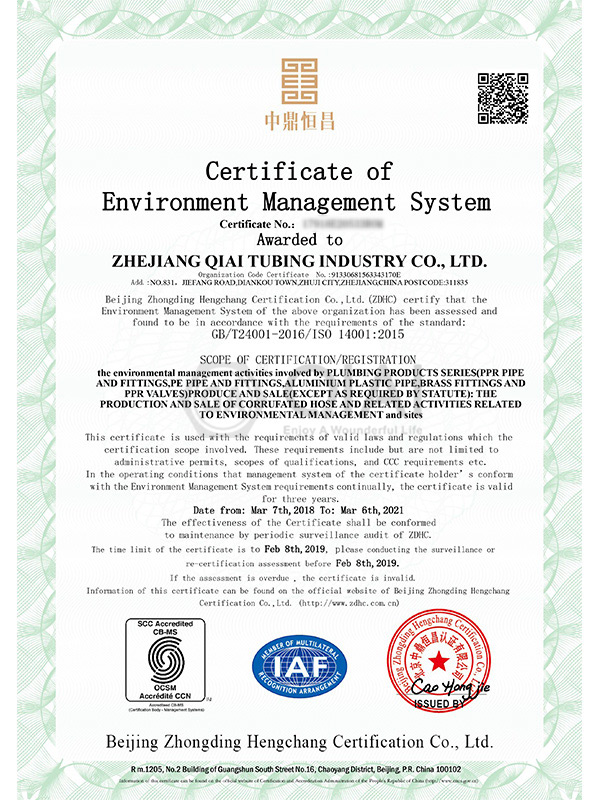
ZHEJIANG QIAI TUBING INDUSTRY CO.,LTD was established in 1996, is professional China Air Conditioning Hose Series Manufacturers and Custom Air Conditioning Hose Series factory. QIAI Based on excellent management,relying on the perfect quality system .All the productions passed by ISO9001 international quality management systerm,Certificated by CE.Our main products include: PP-R pipes and fittings,Aluminum pipes and fittings, PE-RT pipes and fittings,Brass Fittings,Water and Gas Valves, Stainless Steel Corrugated Flexible Gas hose, wholesale Plumbing Pipe Fittings, and so on.At present, the company's product sales network has spread all over the world, establish and improve the quality, efficient and fast professional marketing management team and service support system for the vast number of users, welcome!

advantages

Easy Transportation

* Sea Freight The Starhouse cabin structure when flat packed for transportation is designed in accordance with a standard ISO shipping container. The corner casting structure enables lifting capability utilizing a crane in the same manner as a standard ISO shipping container. * On Site Transportation The dimensions of the forklift pockets on the cabin structure is 85mm* 260mm which enables forklift capability on site. * Road Freight Due to the structure being the same dimensions as a standard ISO shipping container road freight is efficient and easy to handle the cargo.

Fast Construction

Turnkey solution due to all components being flat packed, including the roof structure, floor, wall panels, doors, windows and interior decoration.
Up to 40% time saving on construction over convention building techniques due to all structural elements being prefabricated.
Construction of a single cabin can be undertaken with only four skilled workers.

Flexible Combination

The Starhouse cabins can be assembled and then disassembled for re transportation via road, train or sea.
Individual cabins can be linked together to form larger structures at ease through the starhouse Smart linking kit.
Internal wall panels can be removed and changed at the clients’ discretion to provide flexible layout options.

Cost Saving

Transportation costs are reduced by up to 75% cost compared with Traditional Architecture or modified containers.
Construction time is reduced by up to 40% saving time and money.
The ability to change internal layouts or relocate structures provides cost savings.

Green&Sustainable

Mineral wool which is used primarily for insulation in the structures can be recycled
The structure of the cabin is made from steel and once the client has no further use of the structure the steel can be recycled
Our manufacturing facilities are energy efficient with strict governance on wastage of materials and water supply.

Leave a Message

News Center

Quality Never Goes Out Of Service

How do PEX pipe fittings perform in high-pressure commercial plumbing systems compared to copper or stainless steel fittings?

When evaluating plumbing pipe fittings for high-pressure commercial plumbing systems, the direct answer is this: PEX pipe fittings can handle most commercial applications effectively, but they do hav...

Are push-fit plumbing brass fittings rated for the same working pressure as traditional soldered copper fittings in residential water supply lines?

Push-fit plumbing brass fittings are generally rated for the same working pressure as traditional soldered copper fittings in residential water supply lines. Most push-fit brass fittings carry a work...

What is the temperature range that aluminum pipe fittings can handle compared to carbon steel pipe fittings in high-heat applications?

When selecting pipe fittings for high-heat applications, material choice is critical. Aluminum pipe fittings are generally rated for continuous service up to approximately 300°F (150°C), while carbon...

Are brass gas pipe fittings more corrosion-resistant than stainless steel gas pipe fittings in high-humidity environments?

Stainless steel gas pipe fittings are generally more corrosion-resistant than brass gas pipe fittings in high-humidity environments. While brass performs well in many standard indoor gas applications...

What is the temperature tolerance of aluminum gas pipe fittings compared to carbon steel gas pipe fittings in high-heat applications?

When it comes to high-heat applications, carbon steel gas pipe fittings significantly outperform aluminum gas pipe fittings. Carbon steel retains structural integrity up to approximately 1,200°F (649...

How do Plumbing Brass Fittings perform in underground or buried piping applications?

Plumbing brass fittings can perform reliably in underground or buried piping applications — but only when the correct alloy grade, protective measures, and installation practices are applied. Without...

How to choose between a compression-type gas pipe fitting and a push-fit gas pipe fitting for a domestic gas installation?

For most domestic gas installations, compression-type gas pipe fittings are the safer and more code-compliant choice, especially for permanent, concealed, or high-pressure connections. Push-fit gas p...

How does the flow capacity of a Corrugated Gas Tube compare to that of a rigid steel pipe of the same nominal diameter?

When comparing flow capacity, a corrugated gas tube typically delivers 10–20% less flow than a rigid steel pipe of the same nominal diameter under identical pressure conditions. This reduction is pri...

Industry knowledge extension of this category

What is Air Conditioning Hose
An air conditioning hose is a type of hose used in automotive air conditioning systems to transfer refrigerant between the different components of the system. The refrigerant is a fluid that absorbs heat from the inside of the car and releases it to the outside, helping to cool the air inside the vehicle.
Air conditioning hoses are typically made from a combination of rubber and metal materials, which provides strength and flexibility. The hoses are designed to withstand high pressures and temperatures and are typically resistant to chemical and environmental damage.
Air conditioning hoses come in different sizes and shapes, depending on the specific application and the type of air conditioning system being used. They may be designed to fit specific make and model of vehicles or to fit different types of air conditioning systems.
The main components of an air conditioning system that use hoses include the compressor, the condenser, and the evaporator. The compressor pressurizes the refrigerant, which is then circulated through the condenser and evaporator to absorb heat and cool the air inside the car. The hoses connect these different components and allow the refrigerant to flow freely between them.
Use of Air Conditioning Hose
Air conditioning hoses are used in automotive air conditioning systems to transport refrigerant between different components of the system. Here are some of the specific uses of air conditioning hoses:
1.Compressor: Air conditioning hoses connect the compressor to the condenser. The compressor pressurizes the refrigerant and sends it to the condenser to be cooled.
2.Condenser: The refrigerant is then transported to the condenser, where it is cooled and condensed into a liquid form. The air conditioning hose connects the condenser to the evaporator.
3.Evaporator: The refrigerant then flows through the evaporator, where it absorbs heat from the inside of the car and cools the air. The air conditioning hose connects the evaporator to the compressor to complete the refrigerant cycle.
4.Expansion valve: Some air conditioning systems use an expansion valve to control the flow of refrigerant. The air conditioning hose connects the expansion valve to the evaporator.
5.Receiver/dryer: In some air conditioning systems, a receiver/dryer is used to remove moisture and contaminants from the refrigerant. The air conditioning hose connects the receiver/dryer to the compressor.